
NHS: The Family They Never Had
페이지 정보
작성자 Hugh 작성일25-09-23 00:24 조회225회 댓글0건관련링크
본문
Within the bustling halls of an NHS hospital in Birmingham, a young man named James Stokes navigates his daily responsibilities with subtle confidence. His oxford shoes whisper against the floor as he exchanges pleasantries with colleagues—some by name, others with the familiar currency of a "how are you."
James carries his identification not merely as an employee badge but as a declaration of belonging. It hangs against a neatly presented outfit that gives no indication of the challenging road that preceded his arrival.
What separates James from many of his colleagues is not immediately apparent. His bearing discloses nothing of the fact that he was among the first beneficiaries of the NHS Universal Family Programme—an initiative created purposefully for young people who have spent time in care.
"It felt like the NHS was putting its arm around me," James explains, his voice controlled but carrying undertones of feeling. His statement summarizes the heart of a programme that strives to revolutionize how the massive healthcare system approaches care leavers—those vulnerable young people aged 16-25 who have transitioned from the care system.
The numbers reveal a challenging reality. Care leavers frequently encounter greater psychological challenges, economic uncertainty, accommodation difficulties, and lower academic success compared to their age-mates. Underlying these clinical numbers are personal narratives of young people who have traversed a system that, despite good efforts, regularly misses the mark in providing the supportive foundation that forms most young lives.
The NHS Universal Family Programme, initiated in January 2023 following NHS England's commitment to the Care Leaver Covenant, embodies a profound shift in systemic approach. At its heart, it accepts that the whole state and civil society should function as a "communal support system" for those who have missed out on the constancy of a typical domestic environment.
Ten pathfinder integrated care boards across England have blazed the trail, developing structures that rethink how the NHS—one of Europe's largest employers—can open its doors to care leavers.
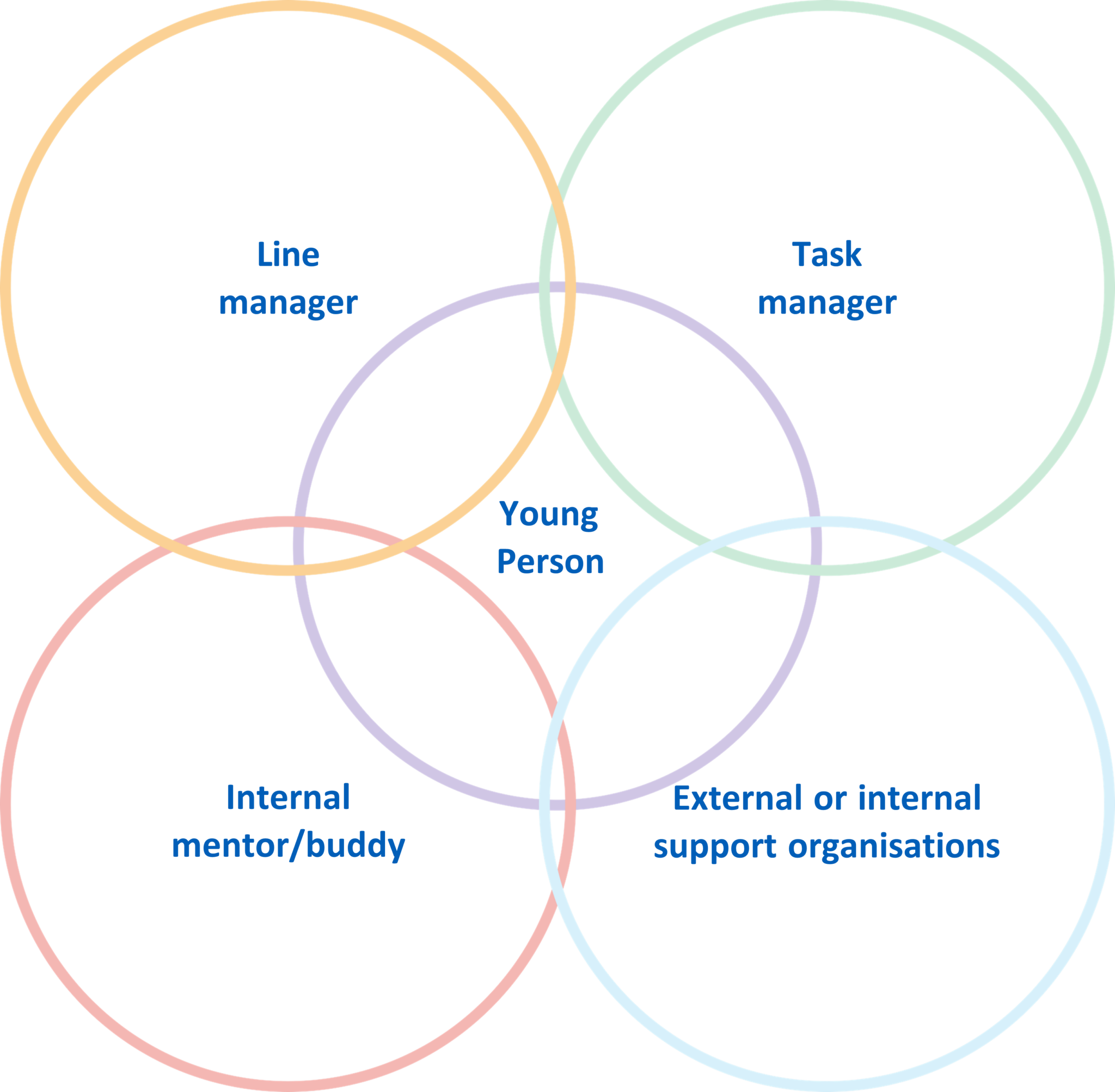
The Programme is thorough in its strategy, initiating with detailed evaluations of existing practices, establishing oversight mechanisms, and obtaining senior buy-in. It recognizes that meaningful participation requires more than lofty goals—it demands tangible actions.
In NHS Birmingham and Solihull ICB, where James found his footing, they've developed a regular internal communication network with representatives who can deliver support, advice, and guidance on mental health, HR matters, recruitment, and equality, diversity, and inclusion.
The traditional NHS recruitment process—rigid and often daunting—has been thoughtfully adapted. Job advertisements now focus on personal qualities rather than numerous requirements. Applications have been reimagined to address the particular difficulties care leavers might encounter—from lacking professional references to having limited internet access.
Perhaps most significantly, the Programme recognizes that beginning employment can present unique challenges for care leavers who may be handling self-sufficiency without the support of family resources. Issues like travel expenses, personal documentation, and bank accounts—considered standard by many—can become major obstacles.
The elegance of the Programme lies in its meticulous consideration—from clarifying salary details to offering travel loans until that essential first salary payment. Even apparently small matters like coffee breaks and professional behavior are deliberately addressed.
For James, whose career trajectory has "changed" his life, the Programme provided more than work. It provided him a feeling of connection—that ineffable quality that emerges when someone is appreciated not despite their background but because their distinct perspective enriches the workplace.
"Working for the NHS isn't just about doctors and nurses," James observes, his gaze showing the quiet pride of someone who has found his place. "It's about a family of different jobs and roles, a group of people who genuinely care."
The NHS Universal Family Programme represents more than an employment initiative. It functions as a powerful statement that systems can change to welcome those who have experienced life differently. In doing so, they not only change personal trajectories but enrich themselves through the distinct viewpoints that care leavers bring to the table.
As James navigates his workplace, his involvement subtly proves that with the right support, care leavers can succeed in environments once thought inaccessible. The arm that the NHS has extended through this Programme represents not charity but recognition of untapped potential and the fundamental reality that everyone deserves a support system that believes in them.

댓글목록
등록된 댓글이 없습니다.