
NHS: A Universal Embrace
페이지 정보
작성자 Larue 작성일25-09-22 18:18 조회229회 댓글0건관련링크
본문
Among the organized chaos of medical professionals in Birmingham, a young man named James Stokes moves with quiet purpose. His polished footwear move with deliberate precision as he greets colleagues—some by name, others with the comfortable currency of a "hello there."

James displays his credentials not merely as institutional identification but as a declaration of inclusion. It hangs against a well-maintained uniform that gives no indication of the tumultuous journey that led him to this place.
What separates James from many of his colleagues is not immediately apparent. His demeanor reveals nothing of the fact that he was among the first recruits of the NHS Universal Family Programme—an undertaking designed specifically for young people who have experienced life in local authority care.
"It felt like the NHS was putting its arm around me," James says, his voice steady but revealing subtle passion. His observation captures the core of a programme that strives to revolutionize how the massive healthcare system approaches care leavers—those vulnerable young people aged 16-25 who have transitioned from the care system.
The figures tell a troubling story. Care leavers commonly experience greater psychological challenges, money troubles, accommodation difficulties, and reduced scholarly attainment compared to their contemporaries. Underlying these clinical numbers are personal narratives of young people who have navigated a system that, despite good efforts, frequently fails in offering the stable base that forms most young lives.
The NHS Universal Family Programme, established in January 2023 following NHS England's pledge to the Care Leaver Covenant, represents a profound shift in institutional thinking. At its heart, it accepts that the complete state and civil society should function as a "communal support system" for those who haven't known the stability of a typical domestic environment.
Ten pioneering healthcare collectives across England have blazed the trail, developing systems that reimagine how the NHS—one of Europe's largest employers—can create pathways to care leavers.
The Programme is thorough in its strategy, beginning with comprehensive audits of existing policies, forming management frameworks, and garnering leadership support. It understands that meaningful participation requires more than good intentions—it demands concrete steps.
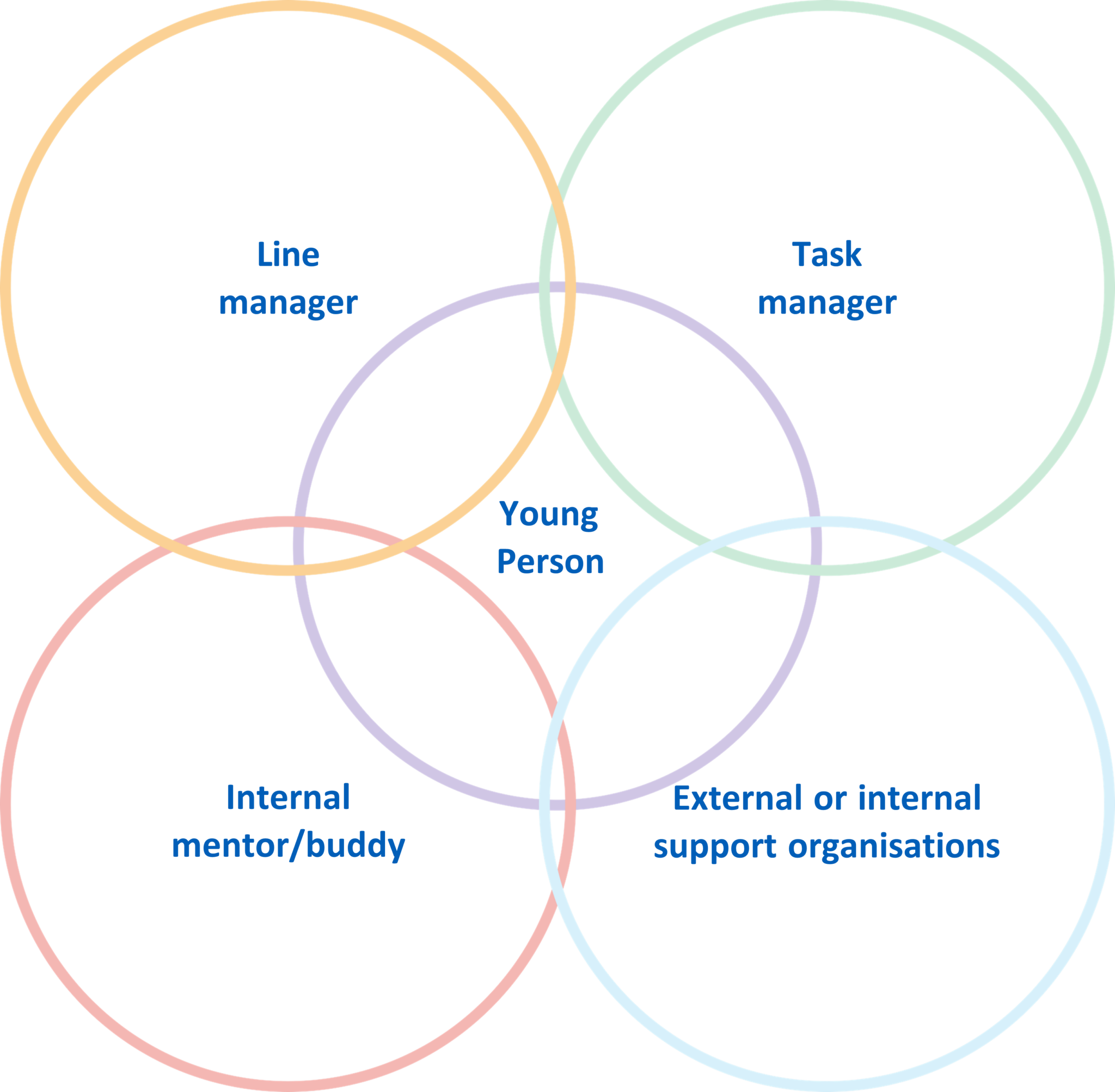
In NHS Birmingham and Solihull ICB, where James began his journey, they've created a consistent support system with representatives who can deliver support, advice, and guidance on personal welfare, HR matters, recruitment, and EDI initiatives.
The conventional NHS recruitment process—formal and potentially intimidating—has been intentionally adjusted. Job advertisements now emphasize personal qualities rather than long lists of credentials. Application procedures have been reconsidered to address the specific obstacles care leavers might face—from not having work-related contacts to struggling with internet access.
Perhaps most significantly, the Programme understands that starting a job can pose particular problems for care leavers who may be handling self-sufficiency without the backup of parental assistance. Issues like commuting fees, identification documents, and banking arrangements—taken for granted by many—can become substantial hurdles.
The elegance of the Programme lies in its meticulous consideration—from explaining payslip deductions to helping with commuting costs until that crucial first payday. Even apparently small matters like coffee breaks and professional behavior are thoughtfully covered.
For James, whose career trajectory has "revolutionized" his life, the Programme provided more than work. It offered him a feeling of connection—that ineffable quality that develops when someone feels valued not despite their past but because their particular journey improves the institution.
"Working for the NHS isn't just about doctors and nurses," James notes, his gaze showing the quiet pride of someone who has found his place. "It's about a community of different jobs and roles, a team of people who truly matter."
The NHS Universal Family Programme exemplifies more than an job scheme. It functions as a bold declaration that systems can change to include those who have known different challenges. In doing so, they not only change personal trajectories but improve their services through the distinct viewpoints that care leavers contribute.
As James moves through the hospital, his participation subtly proves that with the right support, care leavers can thrive in environments once deemed unattainable. The support that the NHS has offered through this Programme signifies not charity but recognition of untapped potential and the profound truth that each individual warrants a community that believes in them.
댓글목록
등록된 댓글이 없습니다.