
NHS: Belonging in White Corridors
페이지 정보
작성자 Annett 작성일25-09-12 04:26 조회797회 댓글0건관련링크
본문
In the sterile corridors of Birmingham Women's and Children's NHS Foundation Trust, a young man named James Stokes navigates his daily responsibilities with subtle confidence. His oxford shoes move with deliberate precision as he exchanges pleasantries with colleagues—some by name, others with the comfortable currency of a "hello there."
James wears his NHS lanyard not merely as a security requirement but as a declaration of belonging. It rests against a neatly presented outfit that betrays nothing of the tumultuous journey that brought him here.
What sets apart James from many of his colleagues is not obvious to the casual observer. His demeanor reveals nothing of the fact that he was among the first recruits of the NHS Universal Family Programme—an initiative created purposefully for young people who have experienced life in local authority care.
"The Programme embraced me when I needed it most," James explains, his voice measured but tinged with emotion. His observation captures the essence of a programme that strives to reinvent how the enormous healthcare system approaches care leavers—those frequently marginalized young people aged 16-25 who have transitioned from the care system.
The figures paint a stark picture. Care leavers commonly experience greater psychological challenges, economic uncertainty, housing precarity, and reduced scholarly attainment compared to their peers. Beneath these impersonal figures are individual journeys of young people who have navigated a system that, despite good efforts, often falls short in delivering the stable base that forms most young lives.
The NHS Universal Family Programme, initiated in January 2023 following NHS England's pledge to the Care Leaver Covenant, represents a significant change in organizational perspective. At its core, it recognizes that the complete state and civil society should function as a "universal family" for those who haven't known the constancy of a traditional family setting.
Ten pathfinder integrated care boards across England have led the way, establishing systems that rethink how the NHS—one of Europe's largest employers—can extend opportunities to care leavers.
The Programme is meticulous in its approach, beginning with detailed evaluations of existing policies, establishing management frameworks, and obtaining executive backing. It understands that successful integration requires more than good intentions—it demands tangible actions.

In NHS Birmingham and Solihull ICB, where James found his footing, they've established a consistent support system with representatives who can deliver assistance and counsel on mental health, HR matters, recruitment, and equality, diversity, and inclusion.
The conventional NHS recruitment process—formal and often daunting—has been carefully modified. Job advertisements now focus on personal qualities rather than extensive qualifications. Applications have been reimagined to consider the specific obstacles care leavers might encounter—from not having work-related contacts to struggling with internet access.
Maybe most importantly, the Programme acknowledges that starting a job can present unique challenges for care leavers who may be handling self-sufficiency without the backup of familial aid. Matters like travel expenses, personal documentation, and financial services—considered standard by many—can become significant barriers.
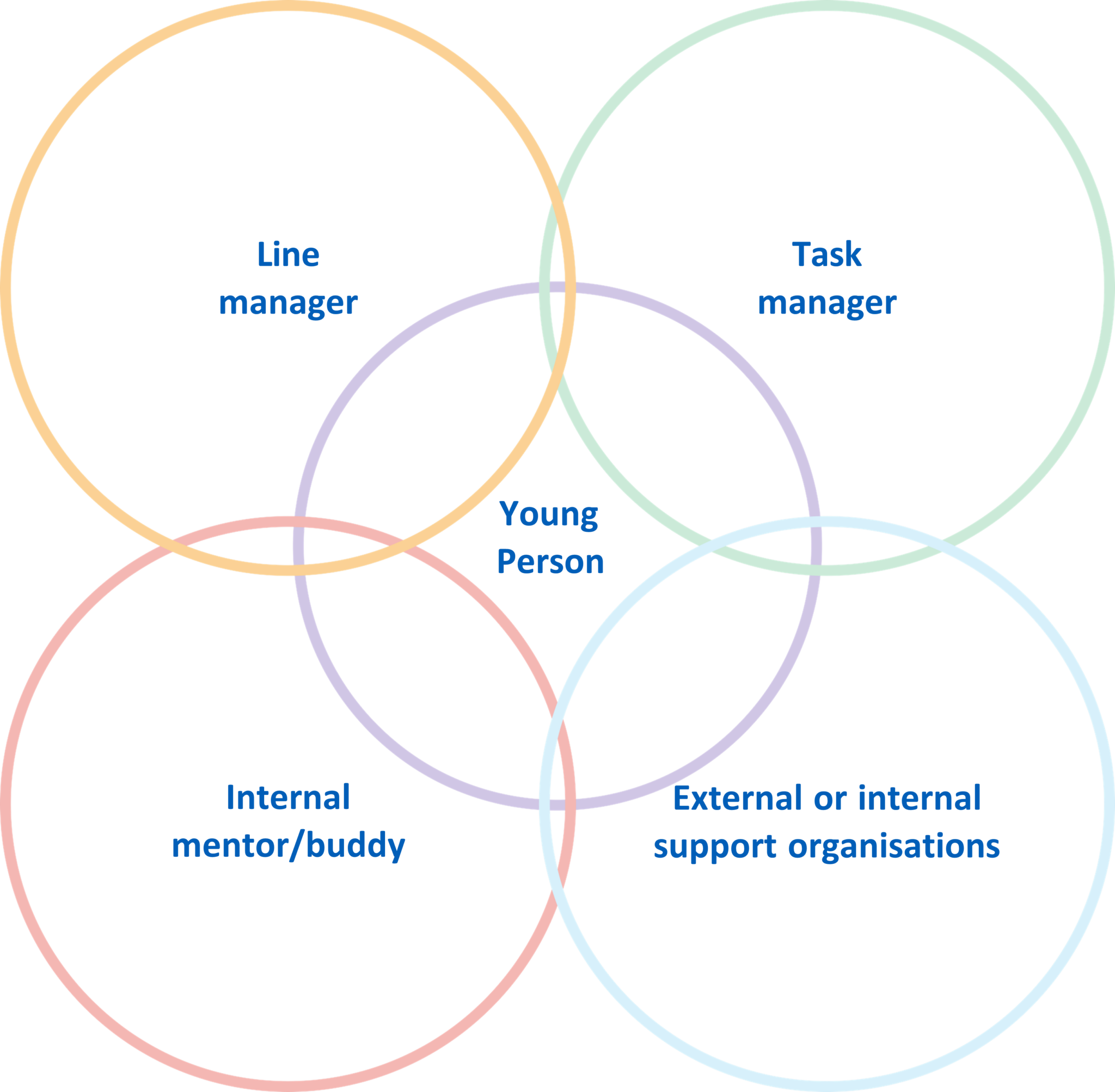
The elegance of the Programme lies in its attention to detail—from explaining payslip deductions to providing transportation assistance until that critical first payday. Even ostensibly trivial elements like rest periods and professional behavior are carefully explained.
For James, whose career trajectory has "transformed" his life, the Programme delivered more than a job. It gave him a feeling of connection—that ineffable quality that emerges when someone senses worth not despite their background but because their unique life experiences improves the institution.
"Working for the NHS isn't just about doctors and nurses," James notes, his expression revealing the modest fulfillment of someone who has secured his position. "It's about a community of different jobs and roles, a group of people who genuinely care."
The NHS Universal Family Programme represents more than an employment initiative. It functions as a strong assertion that institutions can evolve to include those who have known different challenges. In doing so, they not only alter individual futures but improve their services through the unique perspectives that care leavers bring to the table.
As James navigates his workplace, his involvement silently testifies that with the right assistance, care leavers can thrive in environments once thought inaccessible. The support that the NHS has offered through this Programme symbolizes not charity but appreciation of overlooked talent and the essential fact that each individual warrants a family that believes in them.
댓글목록
등록된 댓글이 없습니다.