
NHS: Belonging in White Corridors
페이지 정보
작성자 Kristina 작성일25-09-11 00:21 조회755회 댓글0건관련링크
본문
In the sterile corridors of Birmingham Women's and Children's NHS Foundation Trust, a young man named James Stokes moves with quiet purpose. His polished footwear whisper against the floor as he greets colleagues—some by name, others with the comfortable currency of a "good morning."
James wears his NHS lanyard not merely as institutional identification but as a declaration of acceptance. It hangs against a neatly presented outfit that offers no clue of the tumultuous journey that preceded his arrival.
What separates James from many of his colleagues is not visible on the surface. His bearing discloses nothing of the fact that he was among the first beneficiaries of the NHS Universal Family Programme—an effort crafted intentionally for young people who have been through the care system.
"The Programme embraced me when I needed it most," James reflects, his voice measured but revealing subtle passion. His remark captures the heart of a programme that aims to reinvent how the massive healthcare system views care leavers—those frequently marginalized young people aged 16-25 who have emerged from the care system.
The statistics paint a stark picture. Care leavers often face greater psychological challenges, financial instability, accommodation difficulties, and lower academic success compared to their peers. Underlying these clinical numbers are personal narratives of young people who have maneuvered through a system that, despite genuine attempts, frequently fails in delivering the nurturing environment that shapes most young lives.
The NHS Universal Family Programme, launched in January 2023 following NHS England's commitment to the Care Leaver Covenant, embodies a profound shift in organizational perspective. At its core, it recognizes that the complete state and civil society should function as a "universal family" for those who haven't known the stability of a traditional family setting.
Ten pathfinder integrated care boards across England have blazed the trail, developing frameworks that rethink how the NHS—one of Europe's largest employers—can open its doors to care leavers.
The Programme is thorough in its methodology, starting from detailed evaluations of existing policies, forming management frameworks, and securing senior buy-in. It understands that successful integration requires more than noble aims—it demands practical measures.
In NHS Birmingham and Solihull ICB, where James began his journey, they've created a reliable information exchange with representatives who can deliver support, advice, and guidance on mental health, HR matters, recruitment, and EDI initiatives.
The standard NHS recruitment process—formal and potentially intimidating—has been carefully modified. Job advertisements now focus on character attributes rather than extensive qualifications. Applications have been reconsidered to consider the unique challenges care leavers might encounter—from not having work-related contacts to having limited internet access.
Possibly most crucially, the Programme understands that beginning employment can pose particular problems for care leavers who may be handling self-sufficiency without the backup of family resources. Concerns like travel expenses, personal documentation, and banking arrangements—taken for granted by many—can become significant barriers.
The elegance of the Programme lies in its meticulous consideration—from outlining compensation information to offering travel loans until that critical first wage disbursement. Even apparently small matters like break times and office etiquette are deliberately addressed.
For James, whose NHS journey has "changed" his life, the Programme delivered more than work. It gave him a feeling of connection—that elusive quality that develops when someone senses worth not despite their past but because their unique life experiences enhances the organization.
"Working for the NHS isn't just about doctors and nurses," James observes, his gaze showing the modest fulfillment of someone who has discovered belonging. "It's about a family of different jobs and roles, a group of people who genuinely care."
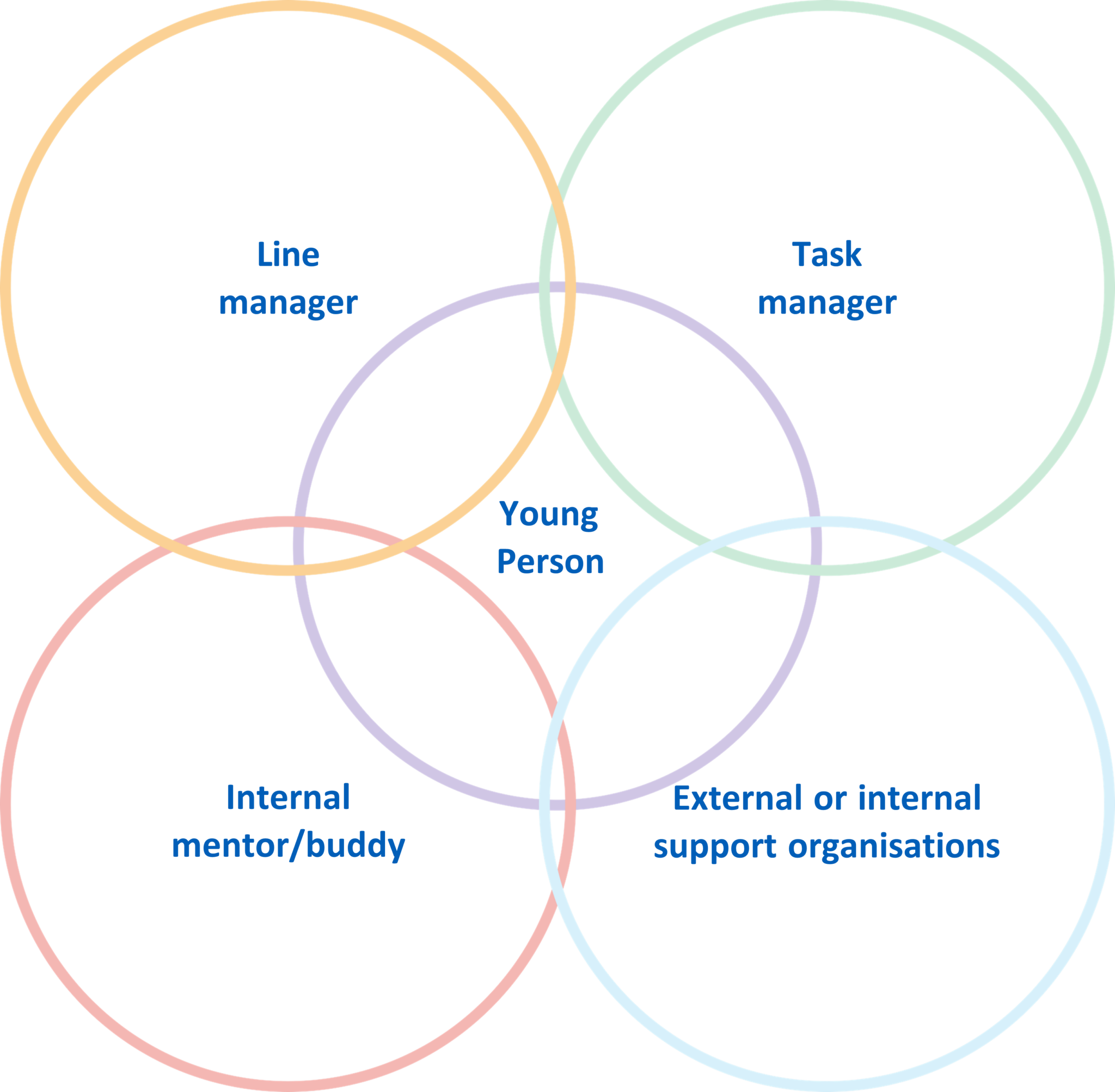
The NHS Universal Family Programme embodies more than an job scheme. It exists as a powerful statement that institutions can evolve to welcome those who have known different challenges. In doing so, they not only transform individual lives but improve their services through the distinct viewpoints that care leavers provide.
As James moves through the hospital, his involvement silently testifies that with the right help, care leavers can flourish in environments once thought inaccessible. The embrace that the NHS has provided through this Programme symbolizes not charity but acknowledgment of untapped potential and the essential fact that all people merit a support system that champions their success.

댓글목록
등록된 댓글이 없습니다.